
Leadership & Community Change

OUR APPROACH: Youth-Led Leadership in Action
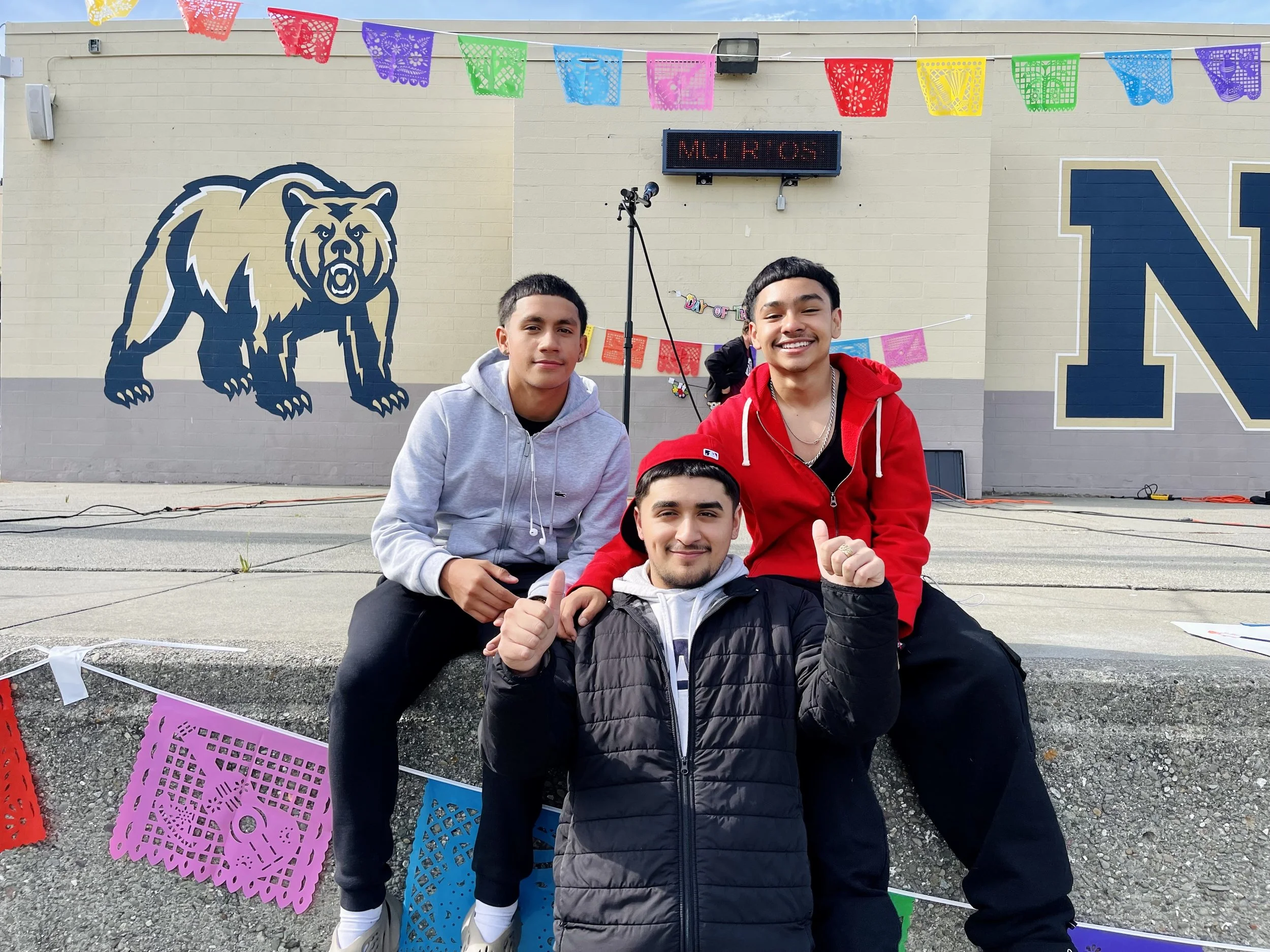
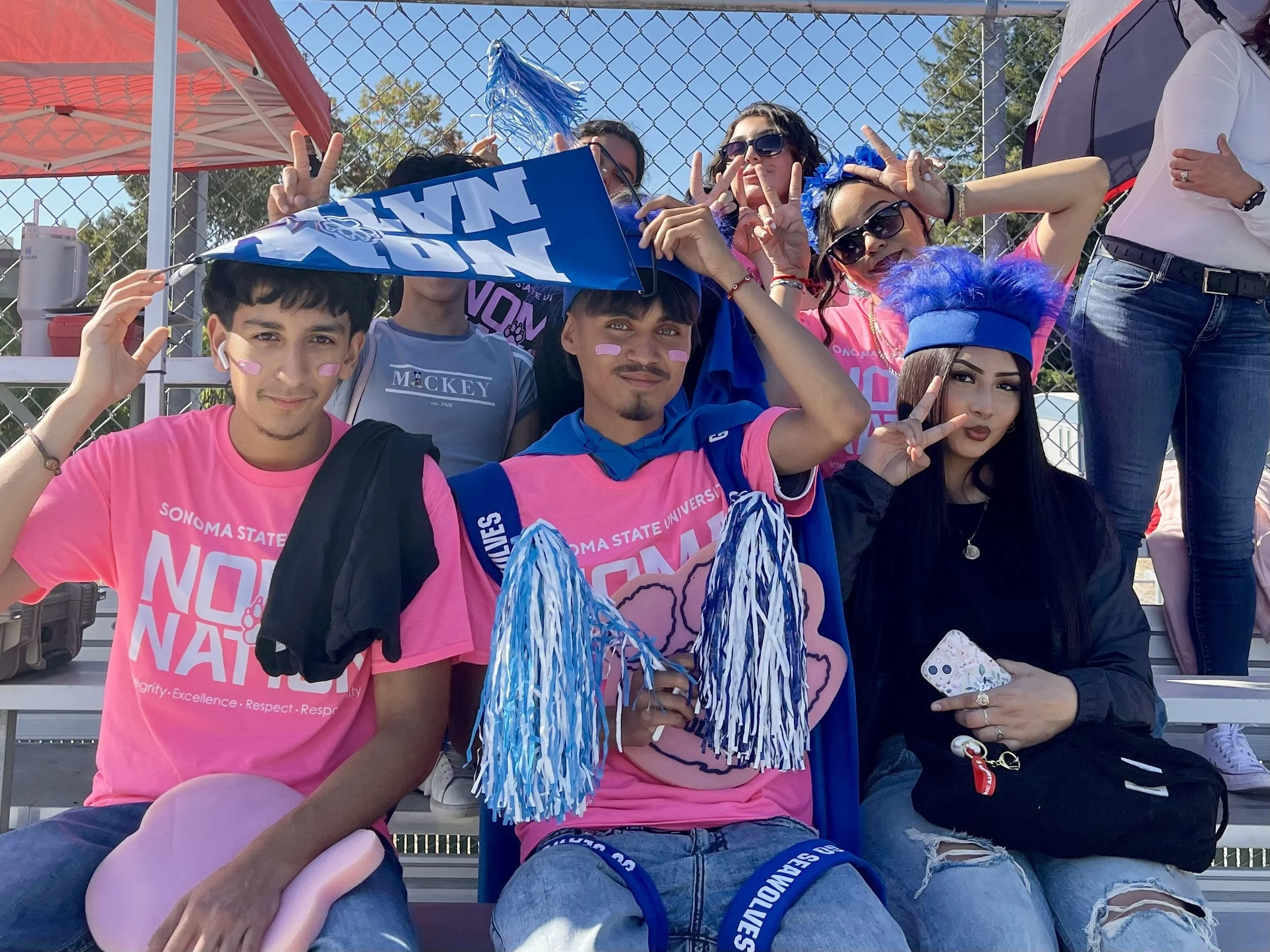
Leadership at VOICES begins with the lived experience of young people. It isn’t something they grow into someday, it’s something they practice right now. VOICES recognizes that youth are not only recipients of social services; they are also active leaders in supporting their peers and guiding the evolution of our programs. Through our Youth Leadership initiatives, young people build confidence, develop skills, and influence the decisions that affect their lives and communities. They are supported as leaders, advocates and peer mentors by trusted staff and community partners.
When we talk about youth leadership, we mean:
Having a voice in programs and decisions: young people help design services and set priorities.
Building practical leadership and advocacy skills: opportunities to facilitate meetings, represent peers and communicate with stakeholders.
Being recognized as experts of lived experience: honoring the unique knowledge that comes from navigating foster care, homelessness, cultural barriers or migration.
Creating change alongside peers and community partners: working collectively to address systemic barriers and develop youth‑friendly services.

-
Leadership Academy (LAYLA), Systems Change Projects, NVUSD Youth Advocates
-
Peer Advocacy & Systems Change
-
Leadership Training, Peer Advocacy & Systems Change
-
YOUTH LEADERSHIP & ADVOCACY
Youth-Led Groups, Civic Engagement
Youth Councils & Peer Leadership
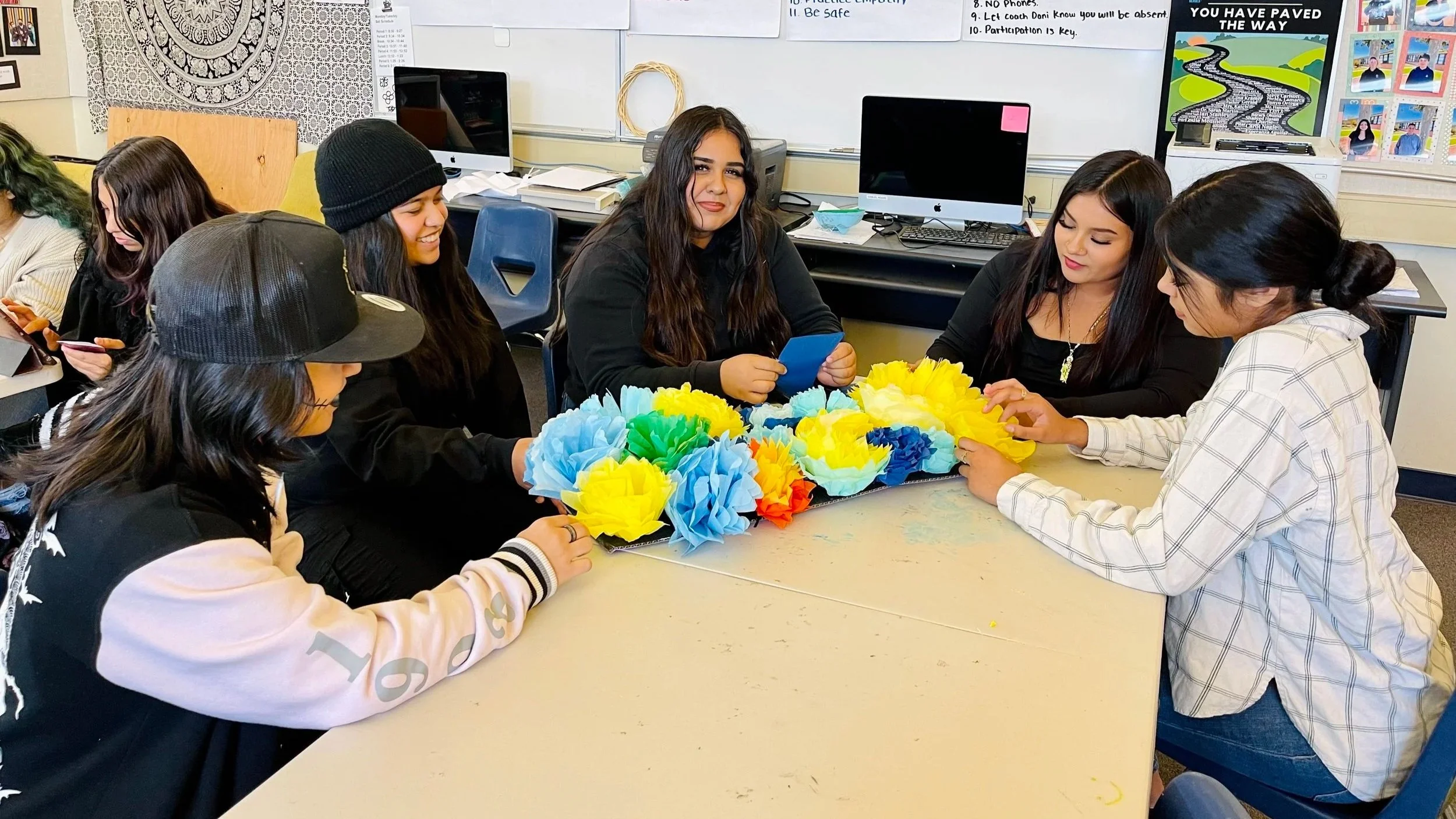
VOICES Youth Councils and Peer Leadership roles center young people as decision‑makers and change agents. Participants work collaboratively to identify needs, design solutions and represent youth perspectives in community spaces. This peer‑to‑peer approach results in more accurate assessments of youth needs and higher retention rates among youth who are traditionally disconnected from services.
Youth in these roles may:
Serve on youth councils or advisory boards to shape VOICES programming and priorities.
Provide peer mentorship and support, offering trusted relationships that remove barriers to participation.
Participate in community forums, speak at events and engage in advocacy efforts.
Develop public speaking, facilitation and leadership skills with guidance from staff.Receive stipends or paid leadership opportunities when available.
These roles are designed to be supportive, trauma‑informed and accessible, meeting youth where they are while offering meaningful responsibility and growth.